







The Invisible Danger of Asbestos
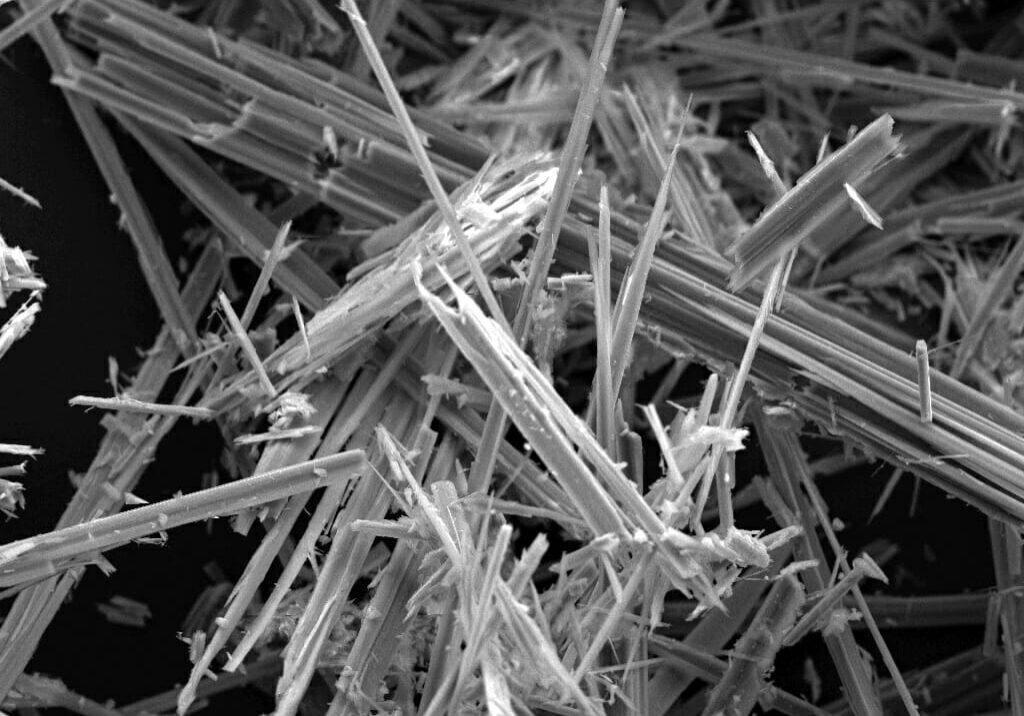
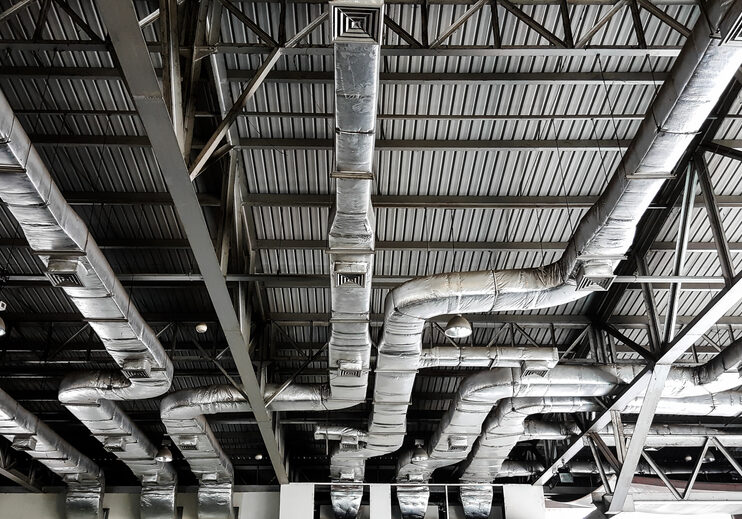
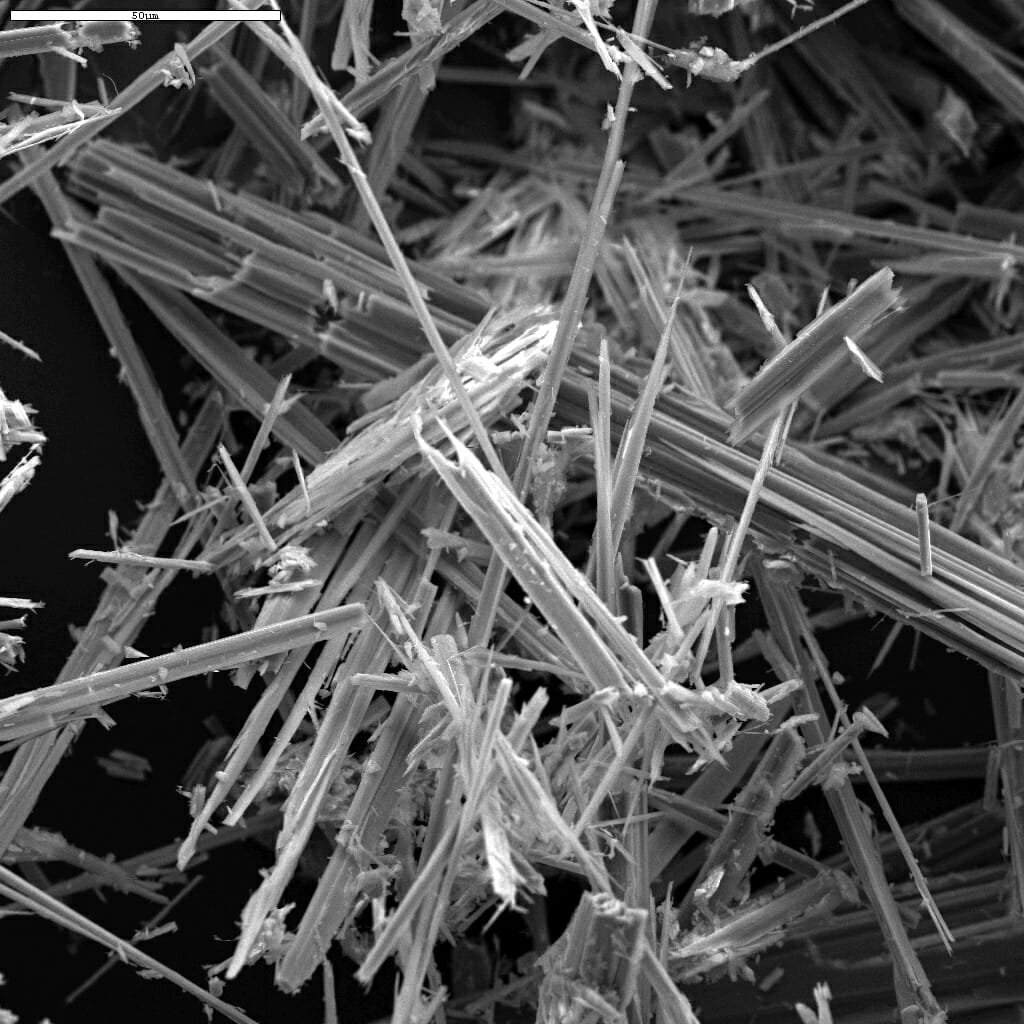
Asbestos, a term that evokes concern and caution, represents a significant health risk lurking within the walls of many buildings, homes, and structures. This invisible danger, often concealed within previous Asbestos-Containing Material (ACM) insulation, remains undetectable to the naked eye, posing a silent threat to occupants and workers alike. For those concerned about the potential presence of asbestos, conducting an asbestos survey with a licensed hygienist, and creating an asbestos register is a critical step towards ensuring peace of mind and safety.
Asbestos in Home Renovations
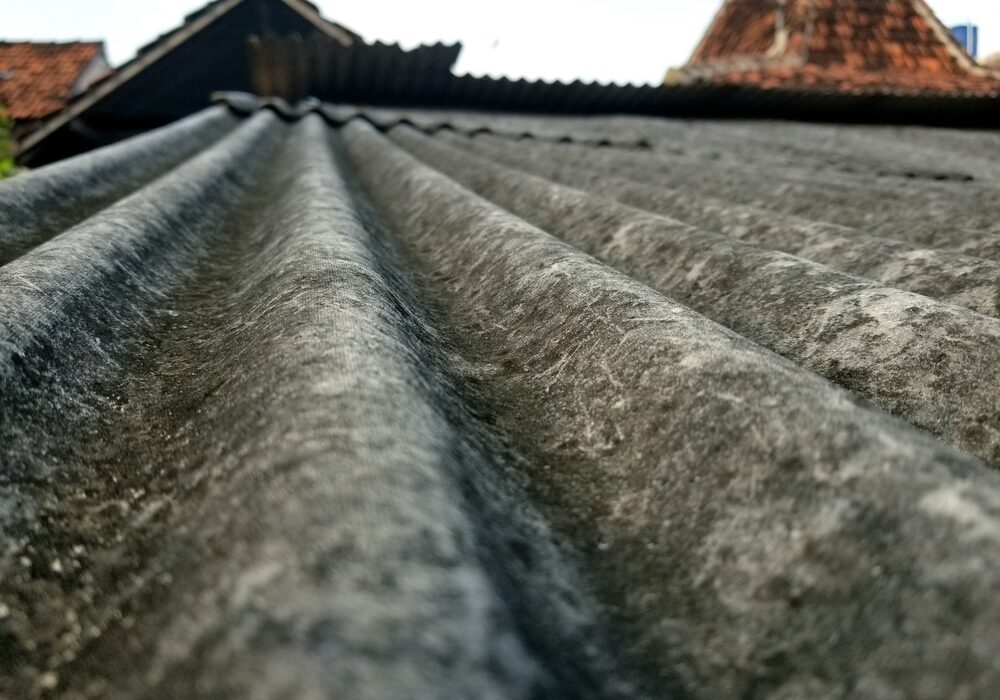
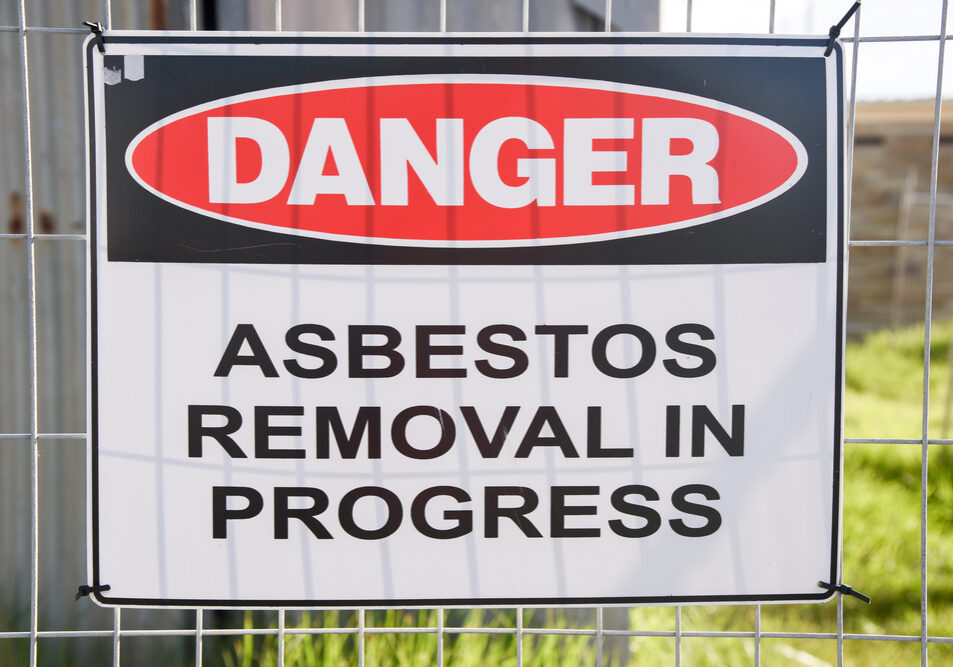
The resurgence of DIY home renovations has brought many hidden dangers of asbestos to light. Asbestos was widely used in building materials up until the late 1980s due to its durability, fire resistance, and insulating properties. Commonly found in old floor tiles, ceiling tiles, roof shingles, insulation, and pipe cement, asbestos becomes hazardous when disturbed. Renovation projects that involve cutting, sanding, or demolition can release asbestos fibres into the air, where they can be inhaled, leading to serious health risks.
Example
Consider the case of a family renovating their 1970s home, eager to update their kitchen and bathroom. Unbeknownst to them, the walls and flooring contain asbestos. During demolition, asbestos fibres are released into the air, posing an immediate health risk to the family and workers on site. This scenario underscores the importance of professional asbestos assessment before beginning renovation work in older homes.
Health Risks
The health risks associated with asbestos exposure are well-documented and severe. Inhalation of asbestos fibres can lead to asbestosis, lung cancer, mesothelioma (a cancer of the lining of the chest and abdominal cavity), and other severe respiratory conditions. These diseases often manifest decades after exposure, making early detection and prevention of exposure crucial.
Asbestos in the Workplace – Who is Responsible?
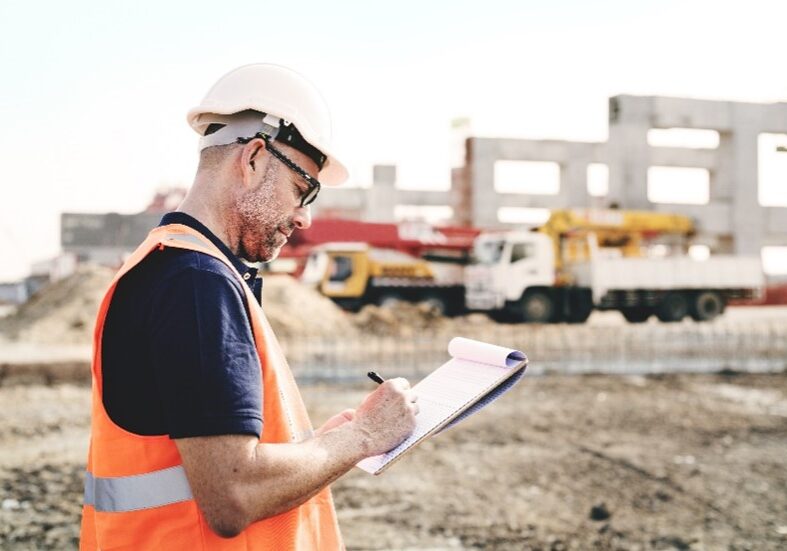
In the workplace, the responsibility for managing asbestos risks falls on the shoulders of employers and building owners. They must identify asbestos-containing materials, assess the risk, and implement control measures to prevent exposure. This includes conducting regular asbestos surveys, maintaining an asbestos register, and ensuring that licensed professionals carry out any removal or disturbance of asbestos.
What is an Asbestos Register, and Should I Get One?
An asbestos register is a document that lists all identified (or assumed) asbestos in a workplace. It includes information on the location, condition, and type of asbestos-containing materials. This register must be kept up-to-date and readily accessible to workers, contractors, and anyone likely to come into contact with asbestos on the site. For homeowners, while not legally required, creating an asbestos register after a professional survey can provide peace of mind and a roadmap for safely managing or removing asbestos.
Bernie Banton
The story of Bernie Banton is a poignant reminder of the devastating impact of asbestos exposure. A tireless campaigner for victims of asbestos-related diseases, Banton’s advocacy led to significant legal and social reforms in Australia, including compensation for affected individuals and stricter asbestos regulations. His legacy continues to inspire efforts to eliminate asbestos-related diseases and protect future generations from this invisible danger.
Reflections through Reality
The reality of asbestos exposure and its consequences cannot be overstated. As we reflect on the past use of asbestos and its ongoing impact, it is clear that vigilance, education, and proactive management are essential to protect public health. By acknowledging the invisible danger of asbestos and taking decisive action to address it, we can work towards a safer environment for all.
The message is clear for anyone living in or working with older buildings: do not underestimate the risks of asbestos. Engaging a licensed hygienist to conduct an asbestos survey and creating an asbestos register are critical steps in ensuring the safety and well-being of everyone involved.

Request a Quote
Fill in the Form below and we will be in touch.